Avoiding scams in Egypt: the honest guide
Most scams targeting tourists in Egypt cluster around a handful of predictable spots — commission shops, camel touts at Giza and unlicensed guides — and are easy to sidestep once you know the pattern.
Published on Thursday, 12 February 2026Updated on Monday, 31 August 20269 min read
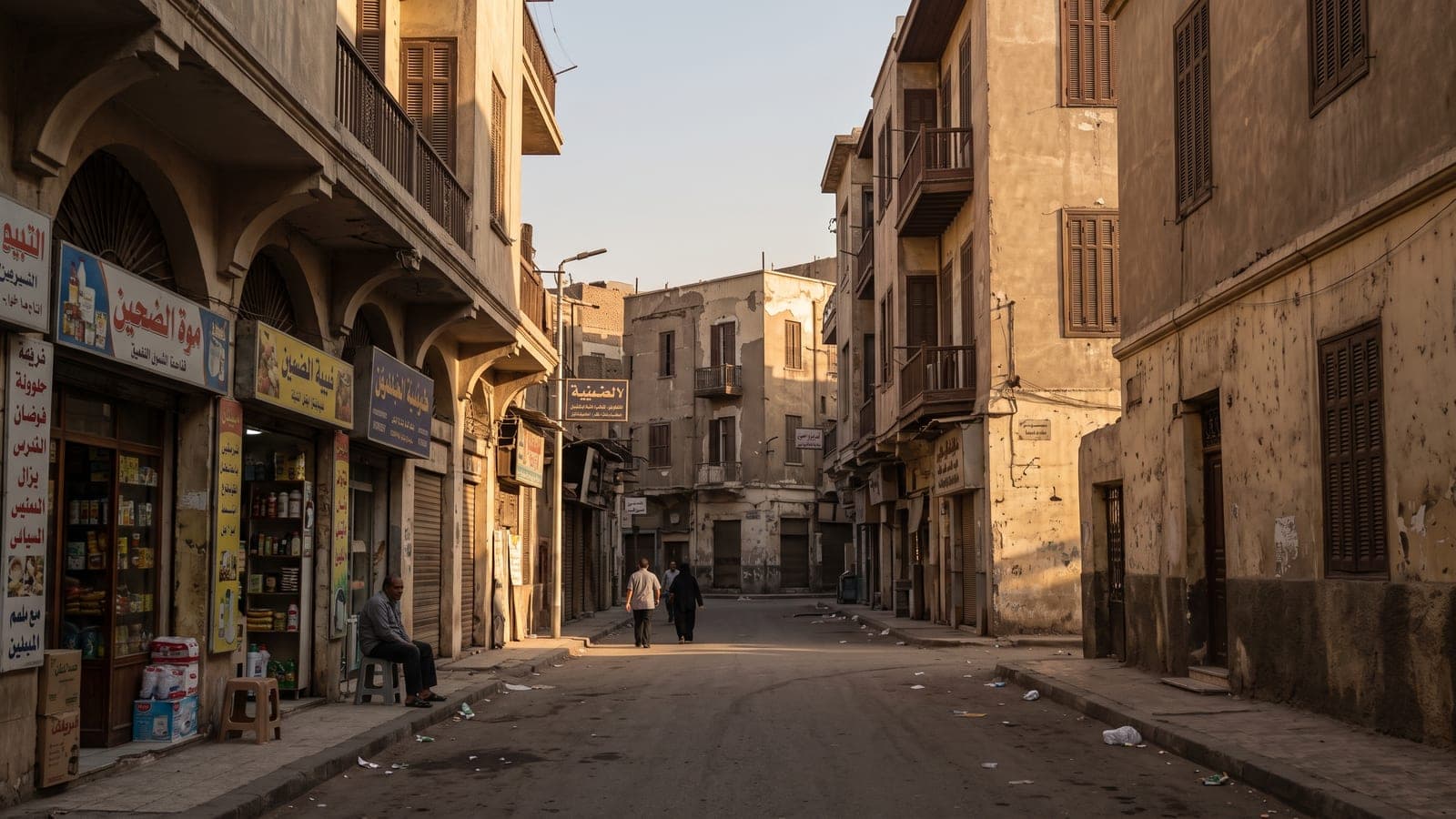
Egypt is a warm, safe and genuinely extraordinary place to visit — there's no reason to go with knots in your stomach. That said, a handful of tourist scams repeat every year around a few predictable spots. Knowing them in advance is almost always enough to avoid them.
What is the most common scam in Egypt?
The classic one: a driver or a 'guide' takes you, without your having asked, to a papyrus, perfume or alabaster shop billed as an 'institute' or a 'state cooperative'. In reality it's an ordinary commercial stop, and whoever brought you there earns a commission on whatever you buy.
How does the camel and horse-carriage scam at Giza work?
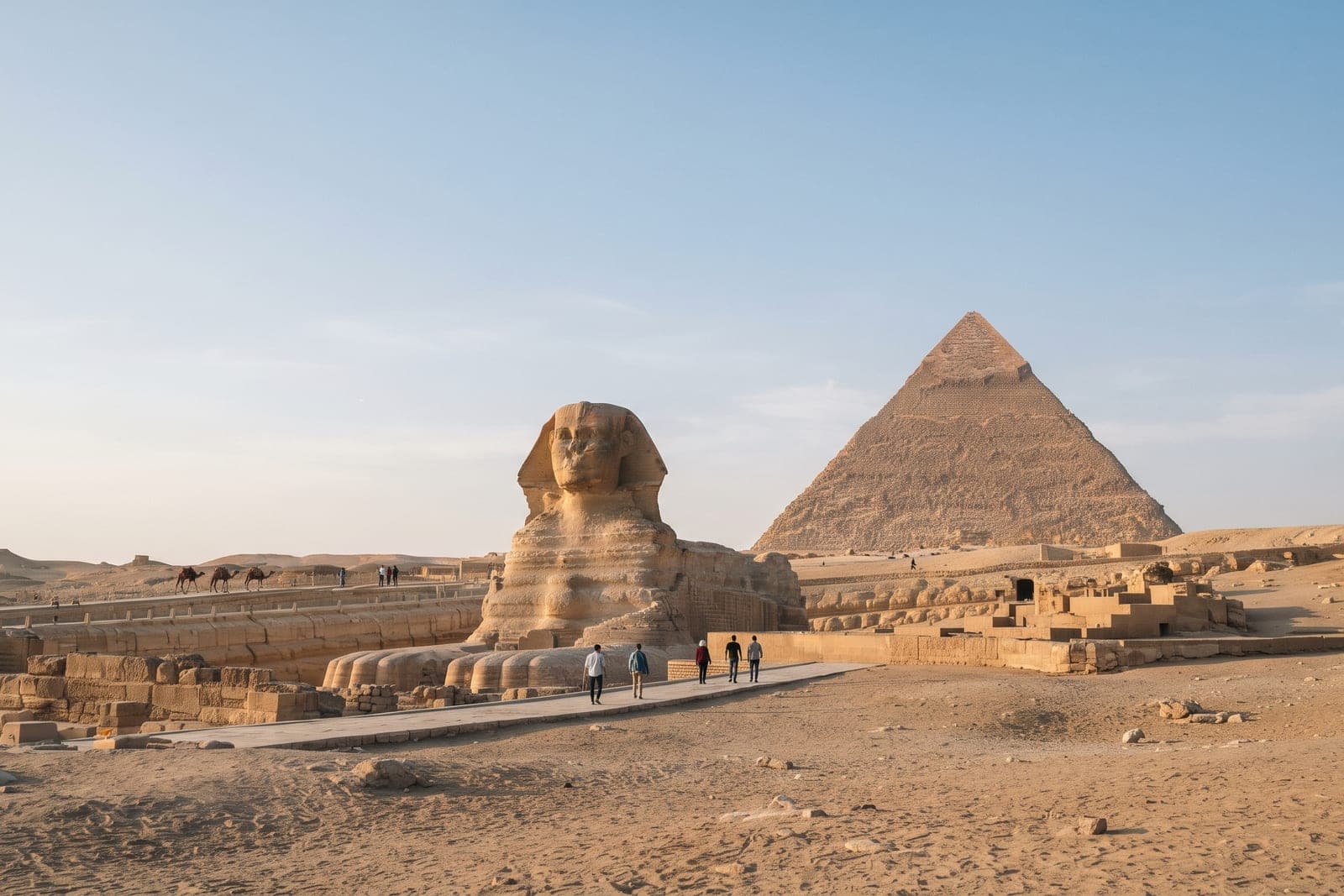
The price quoted before a camel or carriage ride is often far lower than what's demanded on arrival, once you're perched on the animal, far from the ground and in a poor position to negotiate calmly. An extra fee is then demanded 'to get down'. The fix is simple: agree the total price, return trip included, before you get on — ideally with a witness or a photo of the agreement — and keep small notes on hand so you're not dependent on unlikely change.
What should you do when someone says a site is 'closed' and offers a relative's shop instead?
It's almost always a pretext. A monument or museum 'exceptionally closed today', announced by a stranger on the street, followed by an offer to go 'instead' to a brother's or cousin's shop, is a well-known script. Always check with the official ticket office or your guide rather than following a stranger.
Should you accept help from an unofficial 'guide' who approaches you at a monument?
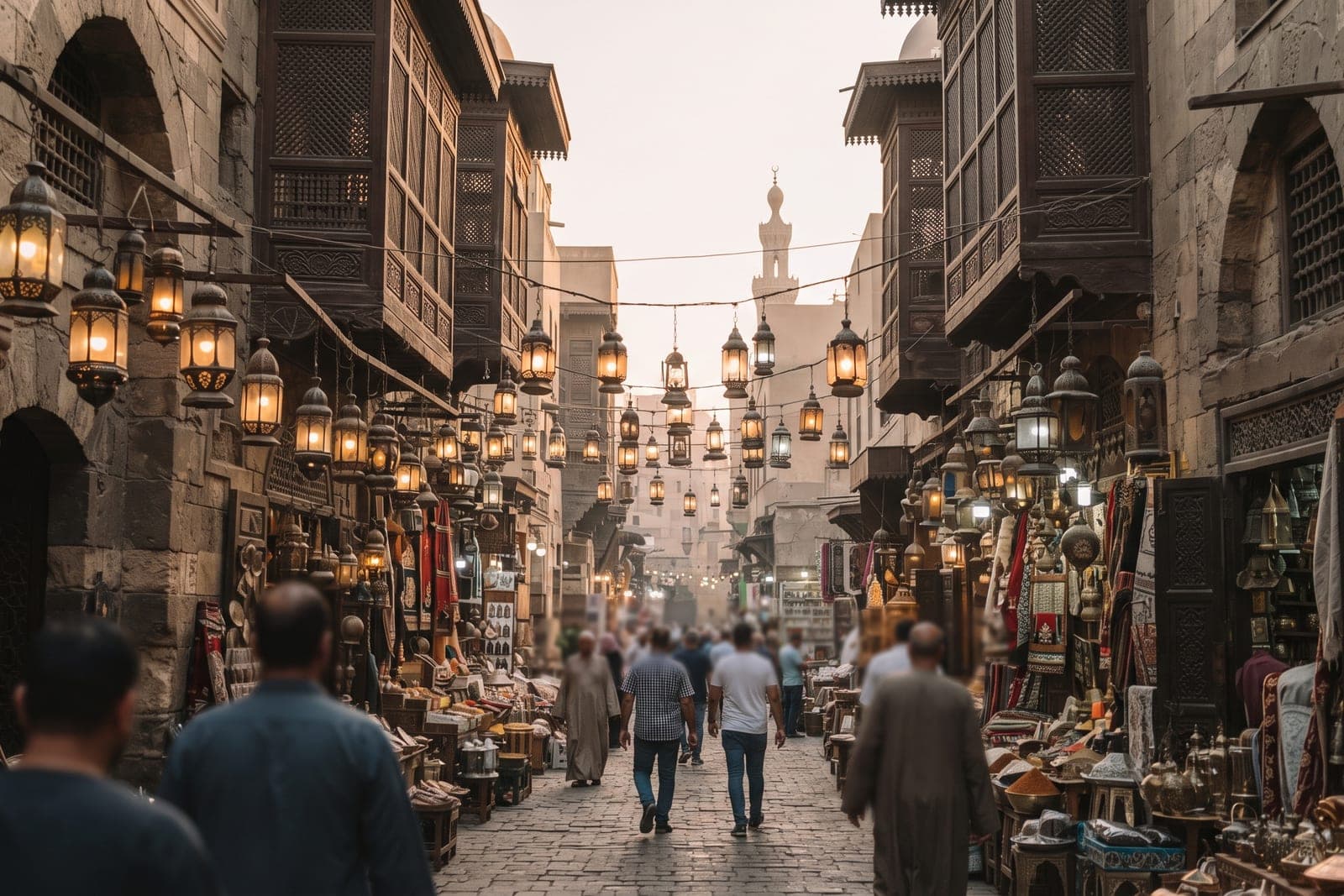
No. Around Giza, Karnak or Khan el-Khalili, unaccredited people offer their services unprompted — a photo, a 'shortcut', an explanation — then demand payment once the service is rendered, sometimes insistently. A firm 'no thank you' and walking on is enough; a licensed guide, by contrast, was booked in advance and carries an official accreditation.
How do you avoid taxi scams in Egypt?
The meter isn't always used or honoured. The most reliable rule is to agree the fare before getting in, or to use a booking app that shows the price upfront. Negotiating mid-ride, once the car is already moving, puts you in a weak position.
Is baksheesh (tipping) itself a scam?
Not in itself: baksheesh is a normal social custom in Egypt for a service actually rendered — carrying a bag, holding a spot, opening a room. What crosses into scam territory is pressure to pay for a service you never asked for, or a fee demanded aggressively. A dedicated article on this site covers the usual amounts.
How do you check that a guide is genuinely licensed in Egypt?
A licensed guide in Egypt carries a professional card issued by the Egyptian Tourist Guides Syndicate, with a licence number on it. Never hesitate to ask to see it: a genuinely licensed guide will show it without hesitation, since it's what legally authorises them to interpret the sites.
None of this should cast a shadow over the trip: these situations stay a minority, clustered around a handful of very touristy spots. A little vigilance in the right places, and the rest of the stay unfolds exactly as hoped — warm, memorable, and free of bad surprises.