Luxor
Built over ancient Thebes, Luxor holds more temples and royal tombs than anywhere else in Egypt, split between a lively east bank and a west bank devoted to the dead.
Why visit Luxor?
Luxor occupies the site of Thebes, the religious and at times political capital of pharaonic Egypt for nearly two millennia. The modern city is organised around the Nile, with an urban, lively east bank and a quieter, agricultural west bank turned toward the necropolises.
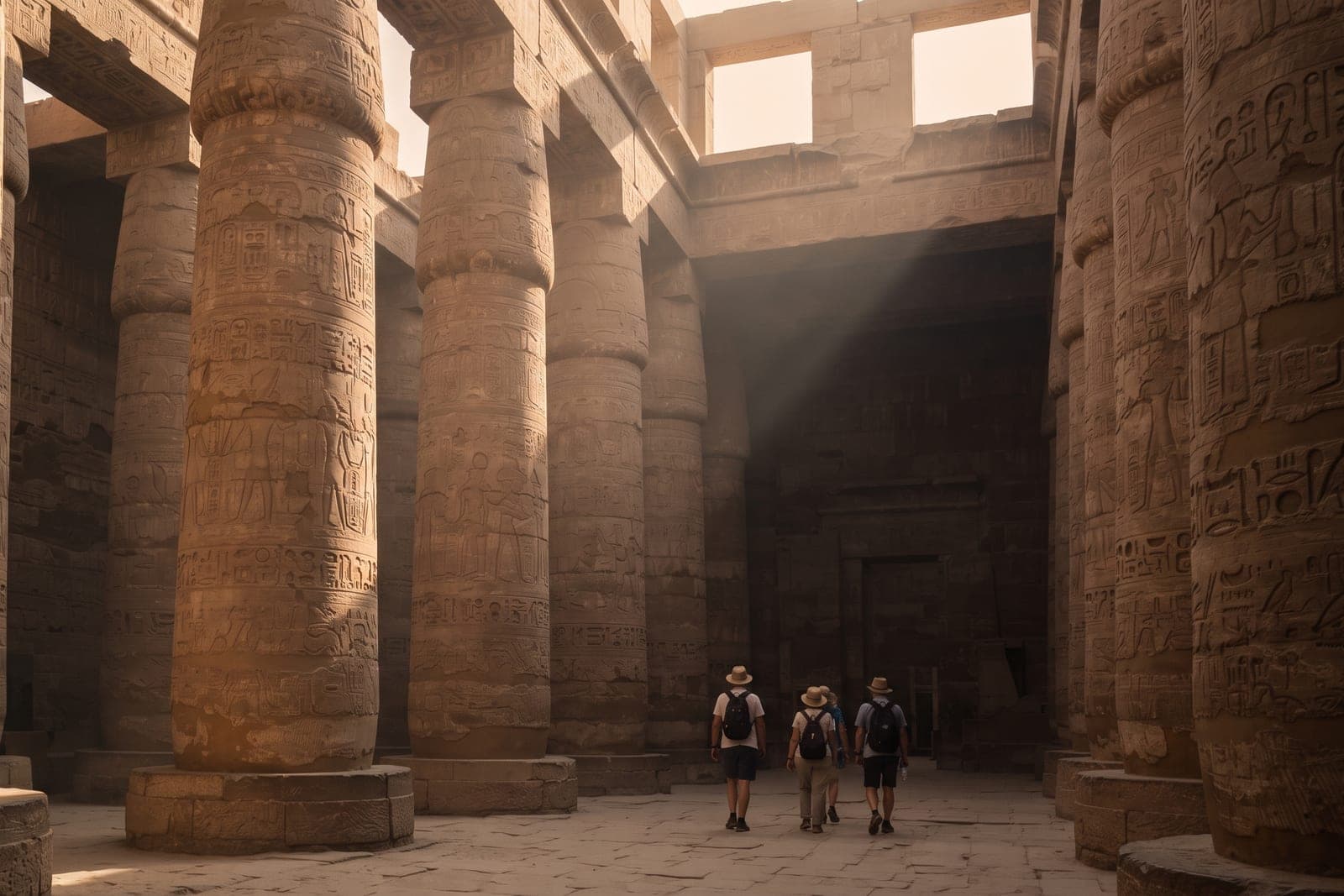
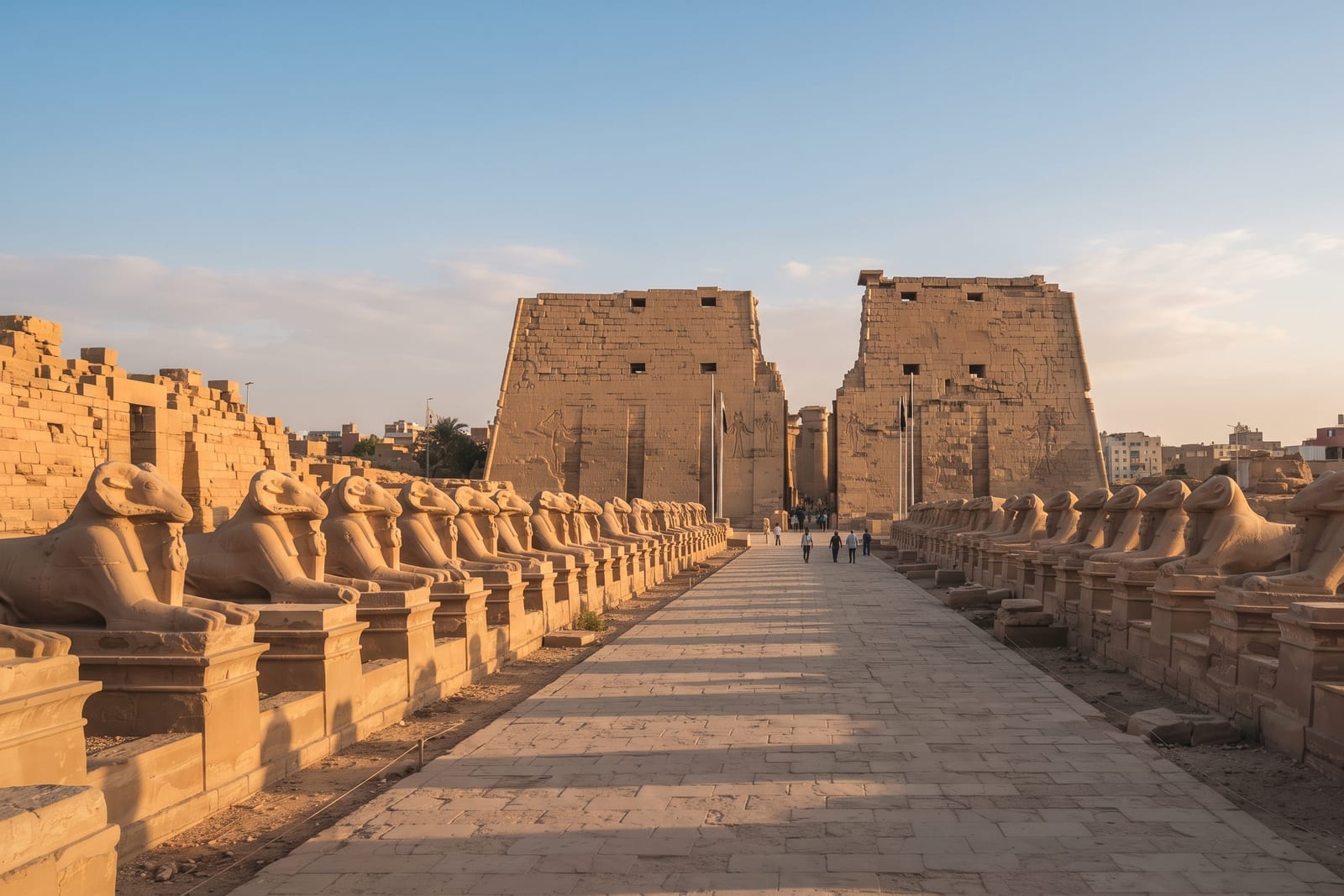
On the east bank, the temples of Karnak and Luxor rank among the largest religious complexes ever built, expanded reign after reign over centuries. On the west bank, the Valley of the Kings and the Valley of the Queens hold the rock-cut tombs of pharaohs and their families, decorated with paintings and funerary texts in remarkable condition.
Luxor is best visited over two to three days, with the east and west banks tackled separately to avoid long days under the sun; many visitors also stop here as part of a Nile cruise between Luxor and Aswan.
Not to be missed
- Temple of Karnak
- Temple of Luxor
- Valley of the Kings
- Valley of the Queens
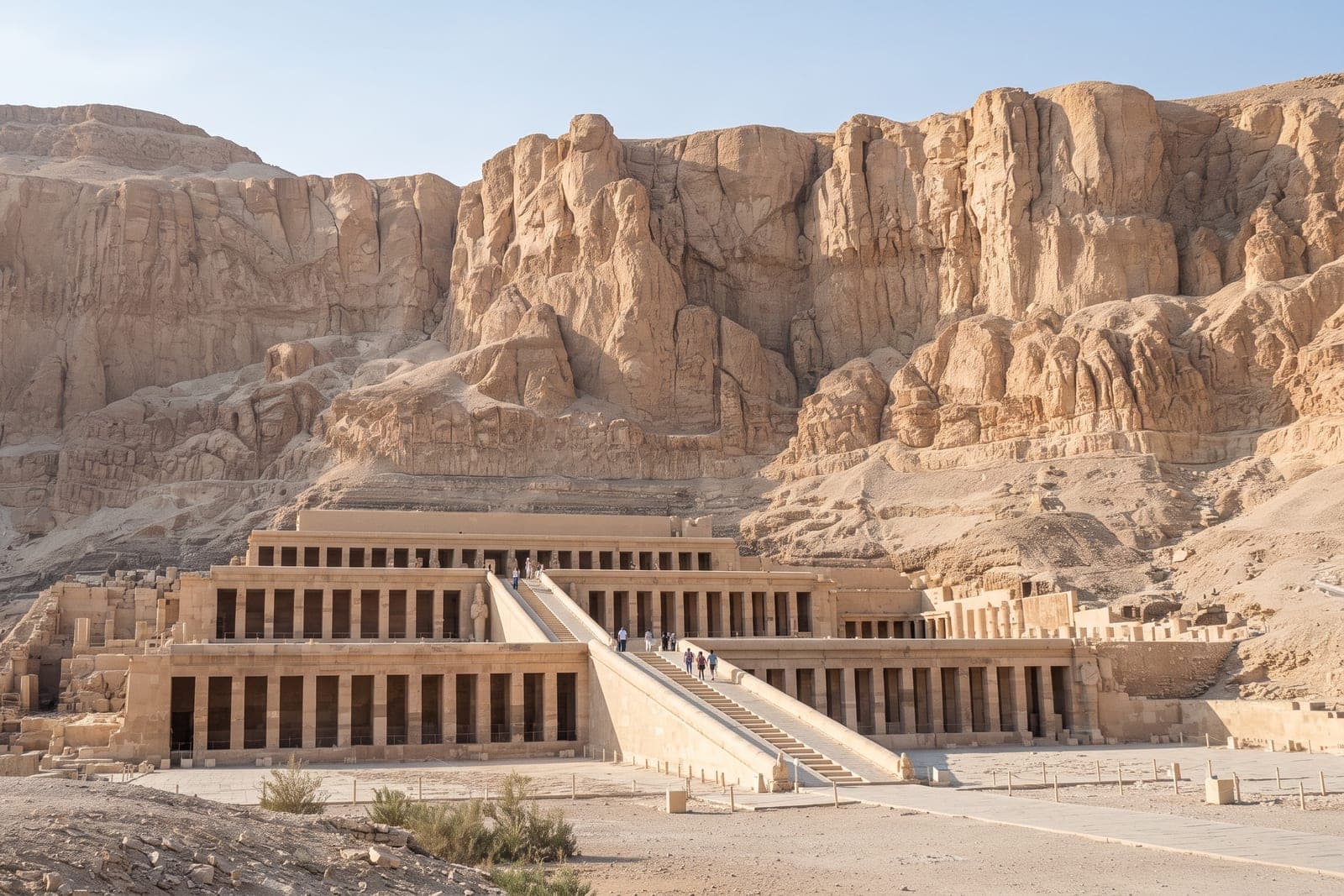
- Temple of Hatshepsut at Deir el-Bahari
- Colossi of Memnon